
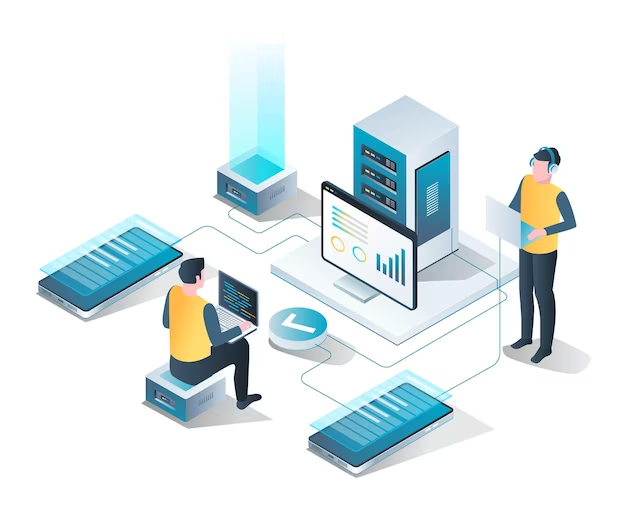
Modern organizations rarely store data in a single system.
Customer records may live in operational databases, analytics data may flow into cloud warehouses, applications may rely on distributed databases, and reporting platforms often require near real-time access to information from multiple sources. Keeping these systems synchronized is one of the most important challenges in modern data architecture.
This is where data replication tools play a critical role.
Data replication software helps organizations copy, synchronize, and distribute data between systems while maintaining consistency and availability. Some platforms focus on real-time database replication, while others specialize in change data capture (CDC), distributed databases, or large-scale data movement.
Open-source data replication tools have become increasingly popular because they provide flexibility, transparency, and deployment control without the licensing costs associated with commercial replication platforms.
In this guide, we compare the best open source data replication tools, database synchronization platforms, CDC solutions, and real-time replication software available today.
What Is a Data Replication Tool?
A data replication tool copies and synchronizes data between databases, applications, warehouses, cloud platforms, or other systems.
Replication may occur in real time, near real time, or through scheduled synchronization processes. Modern replication platforms often use Change Data Capture (CDC) techniques to identify and transfer only the data that has changed, reducing latency and improving efficiency.
Organizations use data replication tools to support:
- Disaster recovery
- High availability
- Analytics pipelines
- Database migrations
- Multi-region deployments
- Cloud modernization initiatives
- Data synchronization workflows
The goal is to ensure that the right data is available in the right place at the right time.
Open Source Data Replication Tools Comparison Table
| Tool | Best For | License | Primary Focus |
|---|---|---|---|
| Debezium | CDC Replication | Apache 2.0 | Change Data Capture |
| SymmetricDS | Database Replication | GPL | Multi-Database Sync |
| Bucardo | PostgreSQL Replication | BSD | Database Replication |
| PostgreSQL Logical Replication | PostgreSQL Environments | PostgreSQL License | Native Replication |
| MySQL Replication | MySQL Deployments | GPL | Native Replication |
| Tungsten Replicator | High Availability | GPL | Database Replication |
| Apache Kafka | Streaming Replication | Apache 2.0 | Event Replication |
| Apache NiFi | Data Flow Replication | Apache 2.0 | Data Movement |
| pglogical | Advanced PostgreSQL Replication | PostgreSQL License | Logical Replication |
| SeaTunnel | Cross-System Replication | Apache 2.0 | Data Synchronization |
Best Open Source Data Replication Tools
#1 Debezium
Debezium has become one of the most important open-source technologies in the modern data replication ecosystem. Rather than relying on traditional batch synchronization approaches, Debezium focuses on Change Data Capture (CDC), allowing organizations to replicate only the changes occurring within source systems.
This architecture enables near real-time replication while minimizing database overhead. Instead of repeatedly copying entire tables, Debezium reads transaction logs and streams changes as they occur.
The platform is widely used in modern data engineering environments, particularly when organizations need to move operational data into analytics platforms, data lakes, streaming systems, or cloud warehouses.
For many teams building real-time data architectures, Debezium serves as the foundation of their replication strategy.
Key Features
- Log-based change data capture: Captures inserts, updates, and deletes directly from database transaction logs, enabling highly efficient real-time replication workflows.
- Near real-time synchronization: Minimizes replication latency by streaming changes as they occur rather than relying on scheduled batch jobs.
- Broad database support: Connects to PostgreSQL, MySQL, SQL Server, Oracle, MongoDB, and other popular data platforms.
- Event-driven architecture: Integrates naturally with streaming platforms and modern data pipelines that depend on continuous data movement.
- Scalable replication framework: Supports large-scale environments where operational systems and analytical platforms must remain synchronized.
Pros
- Industry-leading CDC platform.
- Strong real-time capabilities.
- Active open-source community.
- Excellent Kafka integration.
Cons
- Requires operational expertise.
- CDC concepts may have a learning curve.
- Best suited for modern architectures.
Licensing
Apache License 2.0
Deployment Options
- Kubernetes
- Docker
- Self-hosted environments
- Cloud infrastructure
Best For
Organizations implementing real-time data replication, CDC pipelines, and event-driven architectures.
Limitations
Teams seeking simple point-to-point database synchronization may find Debezium more sophisticated than necessary.
#2 SymmetricDS
SymmetricDS is one of the most mature open-source database replication platforms available today. Unlike tools focused exclusively on CDC or streaming architectures, SymmetricDS was built specifically to synchronize data across heterogeneous database environments.
One of its biggest strengths is flexibility. Organizations can replicate information between different database engines, synchronize branch offices with central systems, support offline environments, and maintain data consistency across distributed deployments.
This broad replication focus has helped SymmetricDS remain relevant across industries ranging from retail and manufacturing to logistics and financial services.
Key Features
- Multi-database replication: Synchronize information between different database technologies without requiring identical infrastructure on both sides.
- Bi-directional synchronization: Support environments where data changes can originate from multiple systems and still remain consistent.
- Offline replication support: Continue synchronization workflows when remote systems experience intermittent connectivity.
- Conflict detection and resolution: Help maintain data integrity when competing updates occur across distributed environments.
- Flexible deployment architecture: Adapt to centralized, distributed, edge, and hybrid data environments.
Pros
- Mature replication platform.
- Excellent heterogeneous database support.
- Flexible deployment models.
- Proven enterprise usage.
Cons
- More complex administration.
- Smaller ecosystem than Debezium.
- Traditional architecture compared to modern CDC tools.
Licensing
GPL
Deployment Options
- Self-hosted infrastructure
- Distributed deployments
- Enterprise environments
Best For
Organizations synchronizing data across multiple database platforms and distributed systems.
Limitations
Modern event-driven architectures may benefit from CDC-native solutions.
Showcase your software to buyers actively comparing tools. Submit your product for editorial review and get featured on Data Stack Hub.
#3 Bucardo
Bucardo is one of the most well-known open-source replication solutions in the PostgreSQL ecosystem. Designed specifically for PostgreSQL environments, it supports multi-master replication, database synchronization, and high-availability use cases.
Unlike native PostgreSQL replication capabilities, Bucardo provides additional flexibility for organizations that need complex synchronization scenarios involving multiple PostgreSQL instances.
Its long history within the PostgreSQL community has made it a trusted option for administrators managing large PostgreSQL deployments.
Key Features
- PostgreSQL-focused replication: Provide replication workflows specifically optimized for PostgreSQL databases and operational requirements.
- Multi-master synchronization: Support environments where updates may originate from multiple database instances.
- Flexible replication management: Enable administrators to define replication strategies that match business and operational requirements.
- High-availability support: Improve resilience through database synchronization and failover preparation.
- Open-source PostgreSQL integration: Leverage native PostgreSQL strengths while extending replication capabilities.
Pros
- Mature PostgreSQL solution.
- Multi-master support.
- Strong community reputation.
- Flexible synchronization capabilities.
Cons
- PostgreSQL-specific.
- Smaller contributor base.
- Less relevant outside PostgreSQL environments.
Licensing
BSD License
Deployment Options
- PostgreSQL environments
- Self-hosted infrastructure
- Enterprise deployments
Best For
Organizations running PostgreSQL workloads that require advanced replication flexibility.
Limitations
Cross-database replication scenarios typically require broader replication platforms.
#4 PostgreSQL Logical Replication
Logical Replication is PostgreSQL’s built-in replication framework and has become the preferred replication method for many modern PostgreSQL deployments. Unlike physical replication, which replicates entire database instances, logical replication operates at the data level and provides greater flexibility over what gets replicated and where.
This approach allows organizations to replicate specific tables, databases, or workloads while supporting migration, reporting, and synchronization use cases.
For many PostgreSQL teams, logical replication eliminates the need for external replication software while still providing strong performance and reliability.
Key Features
- Selective data replication: Replicate specific tables and datasets instead of entire database instances, providing greater operational flexibility.
- Near real-time synchronization: Stream data changes efficiently between PostgreSQL environments with minimal latency.
- Migration-friendly architecture: Simplify database upgrades, cloud migrations, and platform modernization projects.
- Native PostgreSQL integration: Leverage built-in capabilities without introducing additional replication infrastructure.
- Flexible publication and subscription model: Control replication behavior based on business and operational requirements.
Pros
- Native PostgreSQL functionality.
- Strong performance.
- No additional licensing costs.
- Simplified operations.
Cons
- PostgreSQL only.
- Limited heterogeneous database support.
- Less flexible than some dedicated replication platforms.
Licensing
PostgreSQL License
Deployment Options
- PostgreSQL deployments
- Self-hosted environments
- Cloud databases
Best For
Organizations seeking native PostgreSQL replication without external software dependencies.
Limitations
Cross-platform replication requirements often require additional tooling.
#5 MySQL Replication
MySQL Replication has served as the foundation for high availability, disaster recovery, and database synchronization within MySQL environments for many years.
Its native replication capabilities allow organizations to create replicas for reporting, backups, failover environments, and distributed application architectures. Over time, MySQL has expanded replication support to include multiple topologies and deployment models.
For organizations operating MySQL at scale, native replication remains one of the most widely used synchronization approaches.
Key Features
- Native database synchronization: Replicate transactional data between MySQL instances without requiring third-party replication platforms.
- Read scaling support: Offload analytical and reporting workloads to replica databases, reducing pressure on production systems.
- High availability architecture: Improve resilience through standby environments and failover strategies.
- Flexible replication topologies: Support master-replica and more advanced deployment models depending on operational requirements.
- Operational simplicity: Reduce infrastructure complexity by leveraging built-in database capabilities.
Pros
- Native MySQL support.
- Mature technology.
- Strong documentation.
- Widely deployed.
Cons
- MySQL-specific.
- Limited cross-platform replication.
- Advanced topologies can become complex.
Licensing
GPL
Deployment Options
- MySQL environments
- Self-hosted deployments
- Cloud databases
Best For
Organizations building replication strategies entirely within MySQL ecosystems.
Limitations
Multi-database replication projects may require more specialized solutions.
#6 Tungsten Replicator
Tungsten Replicator was built specifically to address high-availability and replication challenges in enterprise database environments. It is particularly well known for supporting complex MySQL and MariaDB replication scenarios.
Unlike simpler native replication approaches, Tungsten Replicator focuses on operational resilience, failover flexibility, and large-scale database deployments where uptime requirements are critical.
This enterprise orientation has made it popular among organizations operating business-critical database workloads.
Key Features
- Advanced database replication: Support complex replication scenarios that extend beyond standard native database functionality.
- High-availability architecture: Strengthen resilience through replication strategies designed for mission-critical environments.
- Cross-site synchronization: Replicate information across geographically distributed environments and data centers.
- Operational failover support: Improve recovery capabilities during infrastructure failures and maintenance events.
- Enterprise-scale deployments: Handle demanding workloads that require strong reliability and consistency.
Pros
- Strong high-availability focus.
- Enterprise-ready architecture.
- Mature replication technology.
- Reliable operational performance.
Cons
- More complex deployment.
- Smaller community than native solutions.
- Primarily database-focused.
Licensing
GPL
Deployment Options
- Enterprise infrastructure
- Private cloud environments
- Database clusters
Best For
Organizations running mission-critical database workloads that require advanced replication and availability capabilities.
Limitations
Smaller projects may not require the operational sophistication provided by Tungsten Replicator.
Increase your product visibility by reaching software buyers researching the best tools. Every submission is reviewed by our editorial team.
Feature My Tool →#7 Apache Kafka
Apache Kafka is not traditionally categorized as a replication tool, but it has become one of the most important technologies supporting modern data replication architectures.
Rather than replicating databases directly, Kafka acts as a distributed event streaming platform that allows data changes to be captured, distributed, and consumed across multiple systems in real time.
Many modern replication platforms, including Debezium-based architectures, use Kafka as the transport layer that moves changes throughout the organization.
For organizations building event-driven data ecosystems, Kafka often becomes the backbone of real-time replication.
Key Features
- Real-time event streaming: Distribute data changes across applications, databases, warehouses, and analytical systems with minimal latency.
- Scalable data movement infrastructure: Support large volumes of continuous replication traffic across enterprise environments.
- Decoupled architecture: Enable multiple systems to consume replicated data independently without impacting source systems.
- Fault-tolerant design: Maintain reliability through distributed storage and replication mechanisms.
- Broad ecosystem integration: Connect seamlessly with CDC tools, warehouses, analytics platforms, and data pipelines.
Pros
- Industry-standard streaming platform.
- Excellent scalability.
- Strong ecosystem support.
- Real-time architecture.
Cons
- Not a dedicated replication tool.
- Operational complexity.
- Requires additional components.
Licensing
Apache License 2.0
Deployment Options
- Kubernetes
- Self-hosted clusters
- Cloud environments
Best For
Organizations building real-time data replication and event-driven architectures.
Limitations
Database synchronization projects may require complementary replication technologies.
#8 Apache NiFi
Apache NiFi approaches replication from a data flow perspective. Instead of focusing exclusively on databases, it enables organizations to move, route, transform, and synchronize information across a wide variety of systems.
This flexibility makes NiFi particularly valuable in environments where replication extends beyond traditional databases and includes applications, files, APIs, streaming platforms, and cloud services.
Many organizations use NiFi to build replication workflows that involve multiple systems and data movement requirements.
Key Features
- Visual data flow management: Design replication and synchronization workflows through graphical interfaces that simplify operational management.
- Cross-system data movement: Transfer information between databases, cloud platforms, applications, files, and streaming systems.
- Real-time and batch support: Adapt replication strategies based on latency requirements and business needs.
- Built-in monitoring capabilities: Improve operational visibility into replication activities and data movement processes.
- Flexible transformation support: Modify and enrich information as it moves between systems.
Pros
- Broad connectivity.
- Flexible workflows.
- Strong monitoring capabilities.
- Large Apache ecosystem.
Cons
- Not purely a replication platform.
- Operational overhead.
- Can become complex at scale.
Licensing
Apache License 2.0
Deployment Options
- Self-hosted environments
- Kubernetes
- Enterprise infrastructure
Best For
Organizations replicating and synchronizing information across diverse technology environments.
Limitations
Pure database replication projects may benefit from more specialized solutions.
#9 pglogical
pglogical was one of the earliest and most influential logical replication extensions in the PostgreSQL ecosystem. Before native logical replication became available in PostgreSQL, many organizations relied on pglogical to support advanced replication requirements.
Even today, pglogical remains relevant because it provides capabilities that go beyond standard PostgreSQL replication in certain environments. Organizations performing complex migrations, selective synchronization projects, and advanced PostgreSQL deployments often continue to evaluate pglogical alongside native options.
For teams heavily invested in PostgreSQL, pglogical remains one of the most important replication technologies ever developed within the ecosystem.
Key Features
- Advanced logical replication: Replicate data changes at the logical level while maintaining flexibility over what information is synchronized.
- Selective synchronization capabilities: Control replication behavior across tables, databases, and workloads to support complex operational requirements.
- Migration-friendly workflows: Simplify major version upgrades and modernization projects that require minimal downtime.
- PostgreSQL ecosystem optimization: Leverage replication techniques specifically designed for PostgreSQL environments.
- Flexible deployment support: Adapt replication architectures to fit business continuity and synchronization objectives.
Pros
- Mature PostgreSQL technology.
- Proven production usage.
- Strong migration support.
- Flexible replication options.
Cons
- PostgreSQL-only solution.
- Smaller ecosystem than Debezium.
- Native logical replication reduces some use cases.
Licensing
PostgreSQL License
Deployment Options
- PostgreSQL deployments
- Self-hosted infrastructure
- Cloud database environments
Best For
Organizations requiring advanced PostgreSQL replication and migration capabilities.
Limitations
Cross-platform replication requirements generally require broader replication platforms.
#10 Apache SeaTunnel
Apache SeaTunnel has emerged as one of the fastest-growing open-source data integration and synchronization platforms. While it is often discussed within ETL and data movement conversations, it also supports many replication use cases across modern analytical environments.
The platform is particularly valuable for organizations operating hybrid architectures that span databases, data lakes, cloud warehouses, streaming systems, and analytical platforms.
Its growing connector ecosystem and focus on large-scale data movement make it increasingly relevant for replication projects that extend beyond traditional database synchronization.
Key Features
- Cross-platform data synchronization: Replicate information between databases, warehouses, data lakes, and cloud environments through a unified framework.
- Real-time and batch processing support: Enable organizations to choose replication approaches based on latency, scale, and operational requirements.
- Large connector ecosystem: Simplify integration with modern data platforms without requiring extensive custom development.
- Scalable distributed architecture: Handle growing replication workloads across enterprise environments.
- Flexible deployment models: Support diverse infrastructure strategies ranging from on-premises systems to cloud-native architectures.
Pros
- Rapidly growing project.
- Broad connectivity options.
- Supports modern architectures.
- Active development community.
Cons
- Newer ecosystem.
- Replication is one of several use cases.
- Operational complexity increases with scale.
Licensing
Apache License 2.0
Deployment Options
- Kubernetes
- Self-hosted infrastructure
- Cloud environments
- Distributed deployments
Best For
Organizations synchronizing data across modern analytical and cloud-native ecosystems.
Limitations
Teams seeking highly specialized database replication may prefer dedicated replication platforms.
Open Source Data Replication Tools vs Commercial Replication Software
Data replication has evolved significantly over the last decade.
Traditional replication solutions focused primarily on high availability and disaster recovery. Modern platforms increasingly support analytics, cloud migration, event-driven architectures, and real-time data distribution.
Commercial vendors such as Qlik Replicate, IBM InfoSphere Data Replication, Oracle GoldenGate, and Precisely Connect often compete on:
- Enterprise support
- Managed administration
- Advanced monitoring
- Compliance capabilities
- Large-scale heterogeneous environments
- Reduced operational complexity
Open-source platforms typically compete on:
- Flexibility
- Cost efficiency
- Deployment control
- Extensibility
- Community innovation
- Vendor independence
| Open Source Replication Tools | Commercial Replication Software |
|---|---|
| No licensing costs | Subscription or enterprise licensing |
| Full deployment control | Vendor-managed support |
| Strong customization flexibility | Faster implementation |
| Reduced vendor lock-in | Enterprise management tools |
| Community-driven innovation | Built-in governance capabilities |
| Self-hosted architectures | Simplified operations |
For many organizations, open-source replication tools provide more than enough functionality, particularly when supported by experienced data engineering teams.
How to Choose the Right Data Replication Tool
Choosing a replication platform is rarely just a technical decision.
The wrong approach can increase latency, create operational complexity, introduce data consistency issues, and limit future scalability. The right platform should align with both current requirements and long-term architectural goals.
Start by Understanding Why Replication Is Needed
Replication projects often begin with a technical requirement but are ultimately driven by business objectives.
Some organizations need replication for disaster recovery. Others require real-time analytics, cloud migrations, multi-region deployments, operational reporting, or application synchronization.
The most suitable platform depends heavily on the problem being solved.
A solution optimized for analytics may not be the best choice for high-availability database replication.
Consider Latency Expectations Early
Not all replication workloads require real-time synchronization.
Some business processes operate effectively with hourly or daily updates, while others depend on data being available within seconds.
Understanding acceptable latency levels helps narrow the field considerably and prevents organizations from deploying unnecessarily complex architectures.
Evaluate Source and Destination Diversity
Many replication projects begin with a single database and eventually expand across multiple platforms.
As environments evolve, organizations often introduce:
- Cloud warehouses
- Data lakes
- SaaS applications
- Streaming platforms
- Additional databases
Replication tools that support heterogeneous environments generally provide greater long-term flexibility.
Think Beyond Initial Deployment
Replication infrastructure often remains in place for years.
Future growth may introduce larger datasets, higher transaction volumes, additional regions, or new analytical requirements.
A platform that works well today should also support evolving architectural demands without requiring a complete redesign.
Balance Operational Simplicity With Flexibility
Highly flexible replication platforms can solve a wide variety of problems, but they often require greater operational expertise.
Organizations should carefully assess the skills available within their engineering teams before selecting a solution.
In many cases, a simpler platform that is actively maintained and understood internally delivers better outcomes than a more powerful system that becomes difficult to manage.
Align Replication With Broader Data Strategy
Replication should not be evaluated in isolation.
Consider how the platform fits into existing:
- Data integration workflows
- Analytics architectures
- Streaming environments
- Governance initiatives
- Cloud modernization efforts
The strongest replication solutions often support broader data platform goals rather than solving a single synchronization challenge.
Browse expertly curated software recommendations across hundreds of business categories.
Browse Top Tools →Conclusion
Data replication has become a foundational capability within modern data architectures.
Organizations increasingly rely on replication technologies to support analytics, cloud adoption, disaster recovery, high availability, operational reporting, and real-time decision-making. As data environments continue to grow in complexity, reliable synchronization becomes even more important.
The open-source ecosystem now offers strong options across every major replication approach, from native database replication and CDC platforms to event-driven architectures and cross-system synchronization frameworks.
The best replication platform ultimately depends on the systems involved, latency expectations, operational capabilities, and long-term architectural direction. Organizations that align replication decisions with broader business and data objectives are typically better positioned to build scalable and resilient data ecosystems.
FAQs
1. What is a data replication tool?
A data replication tool copies and synchronizes information between databases, applications, warehouses, cloud platforms, or other systems to maintain consistency and availability.
2. What are the best open source data replication tools?
Debezium, SymmetricDS, PostgreSQL Logical Replication, MySQL Replication, Tungsten Replicator, Apache Kafka, and Apache SeaTunnel are among the leading open-source options.
3. What is the difference between data replication and data synchronization?
Replication focuses on copying data between systems, while synchronization emphasizes keeping multiple systems continuously aligned and consistent.
4. What is Change Data Capture (CDC)?
Change Data Capture is a technique that identifies and transfers only the data that has changed, enabling efficient near real-time replication.
5. Is Debezium a replication tool?
Yes. Debezium is one of the most widely used open-source CDC platforms and is commonly used for real-time data replication architectures.
6. What is the difference between CDC and traditional replication?
Traditional replication often copies larger portions of data, while CDC transfers only incremental changes, reducing latency and resource consumption.
7. Can Apache Kafka be used for data replication?
Yes. Kafka is frequently used as the transport layer within real-time replication architectures and event-driven data platforms.
8. Which replication tool is best for PostgreSQL?
PostgreSQL Logical Replication, pglogical, and Bucardo are among the most popular replication options for PostgreSQL environments.
9. Are open source replication tools suitable for enterprises?
Yes. Many enterprises use Debezium, Kafka, SymmetricDS, and other open-source platforms within production data environments.
10. What is real-time data replication?
Real-time data replication continuously transfers changes between systems with minimal delay, allowing downstream platforms to access current information.
11. Can replication tools support cloud migrations?
Yes. Many organizations use replication platforms to migrate databases and applications to cloud environments while minimizing downtime.
12. How do I choose a data replication platform?
Evaluate latency requirements, source and destination systems, scalability needs, operational complexity, integration requirements, and long-term architectural goals before selecting a solution.