
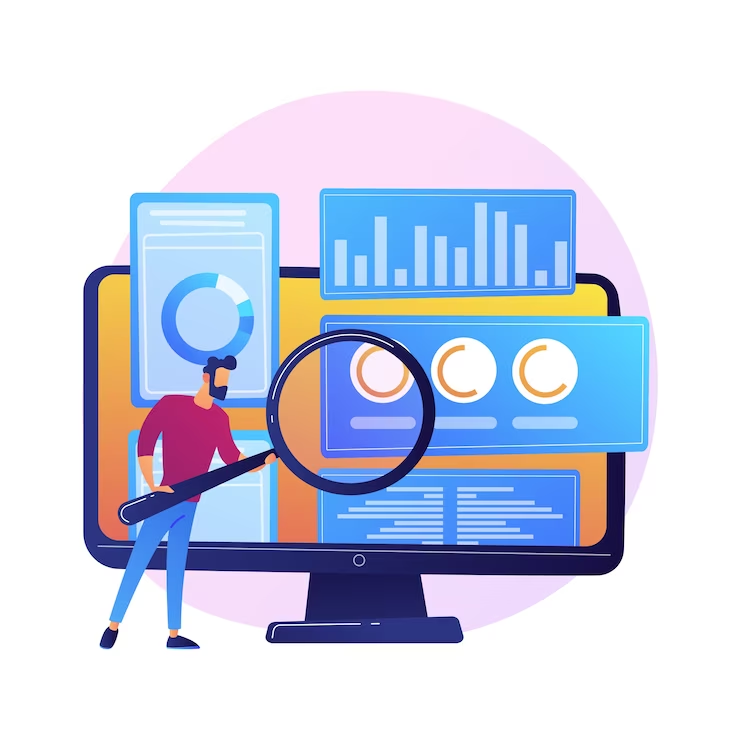
Modern organizations depend on data pipelines to power analytics, reporting, machine learning, operational decision-making, and customer-facing applications. As data ecosystems grow more complex, identifying problems becomes increasingly difficult. A failed pipeline, missing dataset, schema change, stale dashboard, or unexpected data quality issue can impact business outcomes long before teams realize something is wrong.
Traditional monitoring tools help track infrastructure and application performance, but they often lack visibility into the health of the data itself.
This challenge has led to the rise of data observability.
Data observability helps organizations understand the health, reliability, quality, lineage, freshness, and behavior of data across the entire data lifecycle. Rather than reacting to problems after they affect business users, observability platforms help teams detect issues earlier and understand their root causes more quickly.
The open-source ecosystem now provides several tools that support data observability through metadata management, lineage tracking, quality monitoring, pipeline visibility, and data reliability workflows.
In this guide, we compare the best open source data observability tools available in 2026, including their strengths, deployment models, and ideal use cases.
Open Source Data Observability Tools Comparison Table
| Tool | Best For | License | Self-Hosted | Primary Focus |
|---|---|---|---|---|
| OpenMetadata | Unified Data Observability | Apache 2.0 | Yes | Metadata & Quality |
| Marquez | Data Lineage Observability | Apache 2.0 | Yes | Lineage Tracking |
| OpenLineage | Pipeline Visibility | Apache 2.0 | Yes | Metadata Standard |
| Apache Griffin | Data Quality Monitoring | Apache 2.0 | Yes | Data Reliability |
| Great Expectations | Data Validation | Apache 2.0 | Yes | Quality Testing |
| Soda Core | Data Quality Observability | Apache 2.0 | Yes | Data Monitoring |
| DataHub | Metadata Observability | Apache 2.0 | Yes | Data Discovery |
| Apache Airflow | Pipeline Monitoring | Apache 2.0 | Yes | Workflow Visibility |
| Egeria | Enterprise Metadata Visibility | Apache 2.0 | Yes | Metadata Management |
| Metacat | Data Discovery Monitoring | Apache 2.0 | Yes | Metadata Search |
Best Open Source Data Observability Tools
#1 OpenMetadata
OpenMetadata has emerged as one of the strongest open-source platforms for data observability because it combines metadata management, data quality monitoring, lineage tracking, governance, and collaboration within a unified environment.
Many organizations struggle because information about data assets is scattered across warehouses, dashboards, pipelines, orchestration tools, and business systems. OpenMetadata addresses this problem by creating a centralized metadata layer that provides visibility into how data moves, changes, and is consumed throughout the organization.
Its observability capabilities extend beyond simple monitoring. Teams can track data quality, understand ownership, analyze lineage, identify affected downstream assets, and improve trust in business-critical datasets.
Key Features
- Unified metadata platform: Centralize technical and business metadata to improve visibility across the entire data ecosystem.
- Data quality monitoring: Continuously evaluate datasets to identify anomalies, quality issues, and reliability concerns before they impact users.
- End-to-end lineage tracking: Visualize how data moves through pipelines, transformations, dashboards, and analytical environments.
- Ownership and stewardship visibility: Improve accountability by clearly identifying dataset owners and responsible teams.
- Observability dashboards: Provide centralized views into data health, quality metrics, lineage relationships, and operational reliability.
Pros
- Strong observability capabilities.
- Modern architecture.
- Active community development.
- Combines multiple observability pillars.
Cons
- Initial implementation requires planning.
- Metadata strategy is important.
- Can become complex in large environments.
Licensing
Apache License 2.0
Deployment Options
- Docker
- Kubernetes
- Self-hosted infrastructure
- Cloud environments
Best For
Organizations looking for a unified observability platform that combines metadata management, lineage, quality monitoring, and governance capabilities within a single environment.
Limitations
Teams seeking only lightweight monitoring may not need the broader metadata and governance functionality OpenMetadata provides.
#2 Marquez
Marquez was built specifically to improve visibility into data lineage and pipeline execution. It helps organizations understand where datasets originate, how they are transformed, and which downstream systems depend on them.
One of the biggest challenges in modern data environments is understanding the impact of changes. A broken upstream job can affect dozens of downstream dashboards and applications, yet identifying the source of the problem often takes significant effort. Marquez addresses this challenge through lineage-driven observability.
By exposing relationships between jobs, datasets, pipelines, and workflows, the platform helps teams troubleshoot issues faster and improve overall data reliability.
Key Features
- Dataset lineage tracking: Monitor how information moves through pipelines, processing systems, and analytical workflows.
- Job execution visibility: Track pipeline activity and execution history to improve operational awareness.
- Dependency mapping: Understand relationships between upstream and downstream assets across environments.
- OpenLineage integration: Capture standardized lineage metadata from multiple data processing technologies.
- Observability through lineage: Accelerate root-cause analysis by exposing data dependencies clearly.
Pros
- Strong lineage capabilities.
- Lightweight architecture.
- OpenLineage ecosystem support.
- Effective troubleshooting visibility.
Cons
- Primarily focused on lineage.
- Limited governance functionality.
- Less comprehensive than full observability platforms.
Licensing
Apache License 2.0
Deployment Options
- Docker
- Kubernetes
- Self-hosted infrastructure
- Cloud environments
Best For
Organizations that prioritize lineage-driven observability and need better visibility into how datasets move across analytical ecosystems.
Limitations
Teams seeking broad quality monitoring and metadata management may require complementary observability tools.
Showcase your software to buyers actively comparing tools. Submit your product for editorial review and get featured on Data Stack Hub.
#3 OpenLineage
OpenLineage is not a traditional observability platform but an open standard that plays a critical role in many observability architectures. It provides a consistent way for tools to collect and exchange lineage metadata across different technologies.
One challenge in data observability is fragmentation. Pipelines, warehouses, orchestration platforms, and transformation tools often generate metadata in different formats. OpenLineage helps solve this problem by creating a shared standard for lineage collection and interoperability.
Many modern observability platforms rely on OpenLineage to improve visibility and metadata consistency.
Key Features
- Open lineage standard: Standardize how lineage metadata is captured and shared across technologies.
- Cross-platform visibility: Improve observability by connecting metadata from multiple systems and tools.
- Metadata interoperability: Reduce fragmentation across data ecosystems through common metadata structures.
- Pipeline transparency: Improve understanding of how data moves through processing environments.
- Vendor-neutral architecture: Support open observability initiatives without creating platform lock-in.
Pros
- Industry adoption growing rapidly.
- Vendor-neutral approach.
- Improves interoperability.
- Supports broader observability ecosystems.
Cons
- Not a standalone observability platform.
- Requires supporting tools.
- Focused specifically on lineage metadata.
Licensing
Apache License 2.0
Deployment Options
- Self-hosted environments
- Cloud infrastructure
- Integrated platform deployments
Best For
Organizations building modern observability architectures that require consistent lineage visibility across multiple technologies.
Limitations
Teams looking for dashboards, monitoring, alerts, and quality controls will need additional observability solutions alongside OpenLineage.
#4 Apache Griffin
Apache Griffin approaches observability through continuous data quality monitoring. Rather than focusing primarily on metadata or lineage, Griffin helps organizations evaluate the reliability and health of datasets throughout processing workflows.
As analytical environments become more complex, data quality issues can remain hidden for extended periods before business users discover them. Griffin helps reduce this risk by monitoring datasets against predefined expectations and quality standards.
This proactive approach improves trust in data and reduces the likelihood of quality-related incidents affecting business operations.
Key Features
- Continuous quality monitoring: Evaluate datasets regularly to identify quality issues before they impact analytical outcomes.
- Rule-based validation: Define expectations and quality checks that support reliable data operations.
- Quality measurement frameworks: Generate metrics that help organizations assess dataset health consistently.
- Pipeline visibility support: Monitor quality across ingestion, transformation, and delivery workflows.
- Enterprise-scale architecture: Support large data ecosystems with ongoing quality monitoring requirements.
Pros
- Strong data quality focus.
- Supports proactive monitoring.
- Useful in enterprise environments.
- Integrates with broader reliability initiatives.
Cons
- Less focused on lineage.
- Requires quality rule development.
- More technical than visual monitoring tools.
Licensing
Apache License 2.0
Deployment Options
- Hadoop environments
- Kubernetes
- Enterprise infrastructure
- Self-hosted deployments
Best For
Organizations that consider data quality monitoring a central pillar of their observability strategy.
Limitations
Teams looking for unified observability platforms may need broader metadata and lineage capabilities.
#5 Great Expectations
Great Expectations has become one of the most widely adopted open-source data quality frameworks because it brings software testing principles into data engineering workflows. Instead of waiting for analysts or business users to discover broken datasets, teams can define expectations that data must satisfy before it moves through pipelines.
In many organizations, data quality incidents are among the most common causes of reporting errors, dashboard inconsistencies, and machine learning failures. Great Expectations helps prevent these issues by validating datasets continuously and detecting problems early in the pipeline lifecycle.
Although it is primarily a data quality platform, its role in data observability has expanded significantly because quality monitoring is one of the core pillars of data reliability.
Key Features
- Expectation-based validation: Define rules that datasets must satisfy before being considered trustworthy and production-ready.
- Automated quality testing: Detect missing values, schema changes, unexpected distributions, duplicate records, and other quality issues.
- Pipeline integration support: Embed validation checks into orchestration, transformation, and ingestion workflows.
- Data documentation generation: Create quality reports that improve transparency and stakeholder confidence.
- Continuous reliability monitoring: Track data health proactively rather than relying on manual verification processes.
Pros
- Strong data validation framework.
- Large community adoption.
- Integrates with modern data stacks.
- Encourages data reliability practices.
Cons
- Requires technical implementation.
- Not a complete observability platform.
- Rule maintenance is necessary over time.
Licensing
Apache License 2.0
Deployment Options
- Self-hosted infrastructure
- Cloud environments
- Data engineering platforms
- Analytics ecosystems
Best For
Organizations that want to strengthen data reliability by implementing automated quality testing and validation throughout analytical workflows.
Limitations
Teams seeking lineage tracking, metadata visibility, and observability dashboards will typically need additional platforms alongside Great Expectations.
#6 Soda Core
Soda Core was created specifically to help organizations monitor data quality and improve observability across analytical environments. Rather than treating quality as a one-time validation exercise, Soda enables continuous monitoring of datasets to identify issues before they affect downstream consumers.
As data volumes and pipeline complexity increase, manually monitoring quality becomes impractical. Soda helps automate this process through checks, metrics, anomaly detection, and alerting workflows that support ongoing reliability initiatives.
Its observability-focused design has helped it become one of the most recognized open-source projects in the data quality monitoring space.
Key Features
- Continuous quality monitoring: Evaluate datasets regularly to detect reliability issues and unexpected changes.
- Metric-based observability: Track quality indicators that provide insight into dataset health and operational performance.
- Schema monitoring support: Detect structural changes that may impact reporting, analytics, and machine learning systems.
- Alerting workflows: Notify teams when quality thresholds are violated or unusual behavior is detected.
- Modern data stack integration: Connect with warehouses, transformation platforms, and analytical environments.
Pros
- Built for observability use cases.
- Strong quality monitoring capabilities.
- Modern architecture.
- Active ecosystem growth.
Cons
- Primarily focused on data quality.
- Limited governance functionality.
- Requires monitoring strategy planning.
Licensing
Apache License 2.0
Deployment Options
- Self-hosted environments
- Cloud deployments
- Data warehouse ecosystems
- Containerized infrastructure
Best For
Organizations that want continuous visibility into data quality and reliability across analytical platforms.
Limitations
Teams looking for broader metadata management and lineage functionality may require additional observability components.
Increase your product visibility by reaching software buyers researching the best tools. Every submission is reviewed by our editorial team.
Feature My Tool →#7 DataHub
DataHub approaches observability through metadata intelligence. Originally developed at LinkedIn, the platform focuses on creating a metadata graph that connects datasets, dashboards, pipelines, machine learning assets, and business context into a unified view.
Observability often becomes difficult because information is fragmented across tools and teams. DataHub helps address this challenge by centralizing metadata and exposing relationships between assets. This context enables teams to understand how changes impact downstream systems and where issues are most likely to propagate.
Its graph-based architecture has made it one of the most influential open-source metadata platforms in modern data ecosystems.
Key Features
- Metadata graph architecture: Connect datasets, pipelines, dashboards, and users through a unified metadata model.
- Lineage visibility: Improve observability by exposing relationships between upstream and downstream assets.
- Impact analysis capabilities: Understand how changes may affect dependent systems and business processes.
- Asset discovery and search: Help teams locate trusted datasets and understand their context.
- Operational metadata management: Centralize information that improves reliability and observability initiatives.
Pros
- Powerful metadata architecture.
- Strong lineage capabilities.
- Enterprise scalability.
- Large community ecosystem.
Cons
- More complex than focused observability tools.
- Requires metadata strategy planning.
- Operational overhead increases with scale.
Licensing
Apache License 2.0
Deployment Options
- Kubernetes
- Docker
- Self-hosted infrastructure
- Cloud environments
Best For
Organizations building metadata-driven observability programs that require lineage, discovery, impact analysis, and operational visibility.
Limitations
Smaller teams focused solely on quality monitoring may find lighter-weight solutions easier to implement.
#8 Apache Airflow
Apache Airflow is primarily known as a workflow orchestration platform, but it also plays an important role in data observability by providing visibility into pipeline execution, scheduling, dependencies, failures, and operational health.
Data teams often discover reliability issues through failed jobs, delayed workflows, or broken dependencies. Airflow helps expose these operational signals and gives teams insight into how pipelines behave over time.
While it does not provide full observability on its own, Airflow often serves as a foundational component within broader observability architectures.
Key Features
- Workflow execution visibility: Monitor the status, performance, and health of data pipelines across environments.
- Dependency tracking: Understand relationships between tasks, jobs, and workflows.
- Failure detection: Identify operational issues quickly through monitoring and alerting capabilities.
- Scheduling observability: Track delays, missed runs, and execution bottlenecks that may impact downstream consumers.
- Integration ecosystem: Connect with modern data engineering, analytics, and observability tools.
Pros
- Industry-standard orchestration platform.
- Strong operational visibility.
- Extensive ecosystem support.
- Large user community.
Cons
- Not a dedicated observability solution.
- Limited data quality functionality.
- Requires complementary observability tools.
Licensing
Apache License 2.0
Deployment Options
- Kubernetes
- Docker
- Cloud environments
- Self-hosted infrastructure
Best For
Organizations that need operational visibility into data pipelines and workflow execution as part of a broader observability strategy.
Limitations
Teams seeking dataset-level quality monitoring and metadata observability will require additional platforms beyond Airflow.
#9 Egeria
Egeria is an open metadata and governance framework designed to help organizations share, manage, and synchronize metadata across multiple platforms. While it is often categorized as a metadata management solution, it also contributes significantly to observability by improving visibility into data assets, lineage relationships, ownership structures, and governance processes.
One of the biggest challenges in enterprise observability is metadata fragmentation. Information about datasets, pipelines, quality controls, and governance policies often exists across multiple tools. Egeria helps address this problem by creating a shared metadata framework that improves consistency and transparency across environments.
For organizations operating complex enterprise architectures, metadata interoperability can be just as important as monitoring and alerting.
Key Features
- Metadata interoperability: Share and synchronize metadata across multiple catalog, governance, and analytical systems.
- Enterprise visibility: Improve observability through centralized access to metadata and asset relationships.
- Lineage and relationship tracking: Understand how information flows across organizational systems and platforms.
- Governance integration: Connect observability initiatives with stewardship, ownership, and governance processes.
- Open architecture: Reduce metadata silos through standardized integration approaches.
Pros
- Strong metadata interoperability.
- Enterprise-oriented design.
- Supports governance initiatives.
- Flexible integration framework.
Cons
- More complex than focused observability tools.
- Requires metadata strategy planning.
- Steeper learning curve.
Licensing
Apache License 2.0
Deployment Options
- Self-hosted environments
- Enterprise infrastructure
- Hybrid deployments
- Cloud architectures
Best For
Large organizations seeking metadata-driven observability across multiple platforms, business units, and governance environments.
Limitations
Teams focused on quality monitoring and operational reliability may find Egeria broader than necessary for their immediate observability needs.
#10 Metacat
Metacat was developed at Netflix to improve metadata discovery and visibility across large-scale analytical environments. Although its primary purpose is metadata management, the platform contributes to observability by helping users understand what data exists, where it originates, and how it is used.
Observability is difficult when teams cannot find datasets or understand their context. Metacat addresses this challenge through metadata indexing, discovery capabilities, and search experiences that improve transparency across data ecosystems.
Its focus on discoverability makes it particularly useful for organizations that struggle with visibility into rapidly growing analytical environments.
Key Features
- Metadata discovery: Improve visibility into datasets distributed across multiple systems and platforms.
- Centralized search capabilities: Help users locate relevant assets quickly and efficiently.
- Asset visibility: Surface ownership information, dataset context, and operational metadata.
- Metadata indexing: Improve discoverability across large-scale analytical environments.
- Contextual understanding: Support observability efforts by helping users understand dataset relationships and usage patterns.
Pros
- Strong discovery capabilities.
- Useful metadata visibility.
- Supports large environments.
- Improves asset transparency.
Cons
- Smaller ecosystem.
- Limited quality monitoring capabilities.
- Less comprehensive than full observability platforms.
Licensing
Apache License 2.0
Deployment Options
- Self-hosted infrastructure
- Cloud environments
- Enterprise deployments
Best For
Organizations seeking better visibility into data assets and metadata across large analytical ecosystems.
Limitations
Teams looking for automated quality monitoring, anomaly detection, and observability dashboards will likely require additional solutions.
Open Source vs Commercial Data Observability Tools
Organizations evaluating observability solutions often compare open-source platforms with commercial products such as Monte Carlo, Acceldata, Bigeye, Metaplane, Soda Cloud, and Databand.
Open-source observability tools provide flexibility, customization, and deployment control. Organizations can build observability architectures that align with internal requirements while avoiding vendor lock-in and recurring licensing costs.
Commercial platforms typically provide faster implementation experiences, advanced anomaly detection, machine learning-driven monitoring, managed infrastructure, and enterprise support. Many also bundle lineage, quality monitoring, incident management, and reliability workflows into unified products.
However, many organizations prefer open-source solutions because they offer greater transparency and allow teams to assemble observability stacks tailored to specific business requirements.
The right choice depends on organizational maturity, engineering resources, budget, compliance needs, and long-term data reliability goals.
How to Choose the Right Open Source Data Observability Tool
Data observability covers multiple disciplines, including monitoring, quality management, lineage, metadata visibility, and reliability engineering. Choosing the right platform requires understanding which observability challenges matter most within your environment.
Identify Your Primary Observability Goal
Different tools solve different reliability challenges.
Determine whether your priority is:
- Data quality monitoring
- Metadata visibility
- Lineage tracking
- Pipeline monitoring
- Governance observability
- Reliability engineering
The answer often narrows the list of suitable tools quickly.
Evaluate Data Quality Capabilities
Quality issues remain one of the most common causes of data incidents.
Look for support for:
- Data validation
- Quality monitoring
- Schema checks
- Freshness monitoring
- Anomaly detection
- Reliability metrics
Organizations focused on trustworthy analytics should prioritize strong quality capabilities.
Review Lineage and Impact Analysis Features
Lineage is one of the most valuable observability capabilities because it helps teams understand how issues propagate.
Evaluate support for:
- Dataset lineage
- Pipeline lineage
- Impact analysis
- Dependency mapping
- Root-cause investigation
- Upstream and downstream visibility
Strong lineage reduces troubleshooting time significantly.
Consider Metadata Visibility
Metadata provides essential context for observability.
Review whether the platform supports:
- Asset discovery
- Ownership tracking
- Metadata collection
- Business context
- Search capabilities
- Stewardship visibility
Observability becomes more effective when technical and business context are available together.
Assess Integration Coverage
Observability platforms create the most value when they connect broadly across the data ecosystem.
Verify support for:
- Data warehouses
- Databases
- ETL and ELT tools
- Orchestration platforms
- BI tools
- Data lakes
- Cloud services
Broader integration coverage usually improves visibility.
Think About Long-Term Reliability Goals
Observability initiatives typically expand over time.
Choose a platform capable of supporting:
- Additional datasets
- More pipelines
- Larger teams
- Governance initiatives
- Reliability programs
- Enterprise-scale operations
Scalability is important because observability requirements rarely remain static.
Browse expertly curated software recommendations across hundreds of business categories.
Browse Top Tools →Conclusion
Data observability has become a critical capability for organizations that depend on reliable data for analytics, machine learning, reporting, and operational decision-making. As data ecosystems become more complex, identifying and resolving issues quickly is no longer optional.
The open-source ecosystem now provides mature solutions across multiple observability domains, including metadata management, lineage tracking, quality monitoring, workflow visibility, and governance integration. Some tools focus on a single observability pillar, while others provide broader platform capabilities that span multiple areas.
The best approach depends on organizational priorities. Teams focused on quality may prioritize Great Expectations or Soda Core, while metadata-driven organizations may gravitate toward OpenMetadata or DataHub. Lineage-focused initiatives often benefit from Marquez and OpenLineage.
By implementing the right observability strategy, organizations can improve data reliability, accelerate troubleshooting, strengthen trust in analytics, and reduce the impact of data incidents across the business.
FAQs
1. What is data observability?
Data observability is the practice of monitoring, measuring, and understanding the health, quality, reliability, lineage, and behavior of data across systems and pipelines.
2. Why is data observability important?
Data observability helps organizations identify issues faster, improve data reliability, reduce downtime, strengthen trust in analytics, and support better business decisions.
3. What are the best open source data observability tools?
OpenMetadata, DataHub, Marquez, OpenLineage, Great Expectations, Soda Core, and Apache Griffin are among the leading open-source observability solutions.
4. What is the difference between data observability and data monitoring?
Data monitoring focuses on tracking specific metrics and alerts, while data observability provides broader visibility into the causes, context, and impact of data issues.
5. What are the pillars of data observability?
Common pillars include data quality, lineage, freshness, schema monitoring, volume monitoring, and operational reliability.
6. How does data observability improve data reliability?
Observability helps teams detect problems earlier, understand root causes more quickly, and prevent issues from affecting downstream consumers.
7. What is data lineage in observability?
Data lineage shows how information moves through systems, transformations, pipelines, and analytical environments, helping teams understand dependencies and impacts.
8. What is the difference between data observability and data quality?
Data quality focuses specifically on the accuracy and reliability of datasets, while data observability includes quality along with lineage, monitoring, metadata, freshness, and operational visibility.
9. Can open source tools provide enterprise-grade observability?
Yes. Platforms such as OpenMetadata, DataHub, Apache Griffin, and OpenLineage are used in enterprise environments to support observability initiatives.
10. What is OpenLineage used for?
OpenLineage provides an open standard for capturing and sharing lineage metadata across different data platforms and technologies.
11. Which observability tool is best for metadata-driven visibility?
OpenMetadata and DataHub are among the strongest open-source options for metadata-centric observability programs.
12. What should I consider when selecting a data observability platform?
Evaluate data quality capabilities, lineage support, metadata visibility, integration coverage, scalability, operational complexity, and long-term reliability requirements before making a decision.