
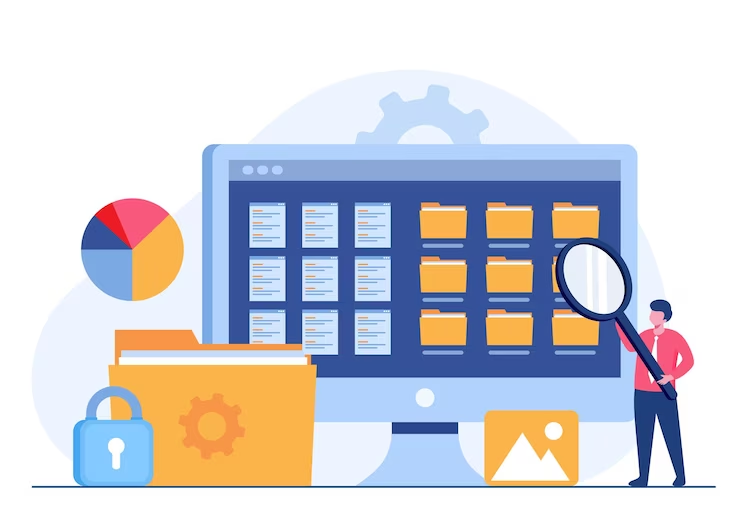
Good decisions start with good data. The challenge is collecting that data accurately, consistently, and at scale.
That’s where data collection tools come in.
These platforms help organizations gather information from customers, employees, field teams, websites, mobile apps, surveys, forms, and business processes. Instead of relying on spreadsheets, emails, and manual entry, teams can collect structured data automatically and store it in a central location.
Today’s data collection tools support a wide range of use cases. Researchers use them for surveys, sales teams capture lead information, healthcare organizations collect patient data, and field teams record operational information from remote locations.
The right platform depends on how and where data is collected. Some tools focus on surveys and feedback, while others specialize in field operations, mobile data capture, workflow automation, or enterprise data collection.
To help you choose, we reviewed the best data collection tools based on ease of use, flexibility, integrations, reporting capabilities, and real-world business value.
What Are Data Collection Tools?
Data collection tools are software platforms used to gather information from people, systems, devices, websites, and business processes.
They help organizations capture data in a structured format so it can be analyzed, reported on, and used for decision-making. Depending on the use case, data may be collected through online forms, surveys, mobile applications, field inspections, customer feedback programs, or automated workflows.
Modern data collection platforms often include features such as form builders, mobile apps, offline data capture, workflow automation, integrations, reporting, and analytics.
These tools reduce manual work, improve data quality, and make it easier for organizations to collect information consistently across teams and locations.
Benefits of Data Collection Tools
Data collection tools provide several advantages compared to manual processes.
Some of the biggest benefits include:
- Reduce manual data entry and paperwork across teams and departments.
- Improve data accuracy through standardized forms and validation rules.
- Allow organizations to collect information from multiple channels and locations.
- Support mobile and offline data collection for field-based operations.
- Speed up reporting and analysis by centralizing collected information.
- Improve compliance and audit readiness through structured record keeping.
- Enable real-time data capture that supports faster decision-making.
- Integrate with business systems to automate workflows and reduce duplicate work.
Comparison Table
| Tool | Best For | Deployment | Good Fit |
|---|---|---|---|
| SurveyMonkey | Surveys and feedback | Cloud | Businesses of all sizes |
| Google Forms | Simple data collection | Cloud | Small teams and educators |
| Typeform | Conversational forms | Cloud | Marketing and customer-facing teams |
| Jotform | Forms and workflows | Cloud | SMBs and enterprises |
| Qualtrics | Experience management | Cloud | Large enterprises |
| Microsoft Forms | Microsoft ecosystem users | Cloud | Microsoft 365 customers |
| KoboToolbox | Humanitarian and field research | Cloud, Self-Hosted | NGOs and researchers |
| ODK | Mobile field data collection | Self-Hosted, Cloud | Field operations teams |
| Formstack | Workflow automation | Cloud | Business operations teams |
| Zoho Forms | Affordable form building | Cloud | Small and mid-sized businesses |
| Alchemer | Enterprise surveys | Cloud | Research and feedback teams |
| QuestionPro | Research and surveys | Cloud | Market research teams |
| Fulcrum | Field data collection | Cloud, Mobile | Field service organizations |
| GoCanvas | Mobile forms and inspections | Cloud, Mobile | Construction and operations teams |
| SafetyCulture | Audits and inspections | Cloud, Mobile | Operations and compliance teams |
15 Best Data Collection Tools
#1 SurveyMonkey
SurveyMonkey is one of the most recognized data collection platforms in the market. It is widely used by businesses, educational institutions, researchers, and nonprofits to gather feedback, conduct surveys, and collect structured information.
The platform makes it easy to create surveys through templates, drag-and-drop builders, and customizable question types. Organizations can use it for customer satisfaction surveys, employee feedback programs, market research, event registrations, and many other data collection activities.
One reason SurveyMonkey remains popular is its balance between simplicity and functionality. Small teams can launch surveys quickly, while larger organizations can take advantage of advanced reporting, logic, and analytics features.
With millions of users worldwide, SurveyMonkey continues to be one of the most common starting points for organizations building formal feedback and data collection programs.
Key Features
- Provides a user-friendly survey builder that allows teams to create questionnaires without technical expertise.
- Supports advanced survey logic that helps organizations collect more relevant and accurate responses.
- Includes reporting and analytics capabilities that make it easier to identify trends and insights from collected data.
- Allows surveys to be distributed through email, websites, social media, and direct links to maximize response rates.
- Integrates with CRM, marketing, and business applications to streamline data collection workflows.
Why Choose This Tool
Choose SurveyMonkey if your organization needs a reliable platform for surveys, customer feedback, employee engagement, and general-purpose data collection.
G2 Rating: 4.4/5
Gartner Peer Insights: 4.5/5
Showcase your software to buyers actively comparing tools. Submit your product for editorial review and get featured on Data Stack Hub.
Submit Your Tool →#2 Google Forms
Google Forms is one of the easiest ways to collect information online. It allows users to create forms, surveys, questionnaires, registrations, and feedback requests without purchasing dedicated survey software.
The platform is part of Google Workspace, making it especially attractive for organizations already using Gmail, Google Sheets, and Google Drive. Responses can automatically flow into spreadsheets for analysis and reporting.
Many teams choose Google Forms because it is simple, free for basic use, and requires almost no training. Users can build forms in minutes and start collecting responses immediately.
While it lacks some advanced enterprise capabilities, Google Forms remains one of the most widely used data collection tools for simple projects and everyday business needs.
Key Features
- Allows users to create forms and surveys quickly through an intuitive drag-and-drop interface.
- Automatically stores responses in Google Sheets to simplify reporting and analysis workflows.
- Supports file uploads, multiple question types, and response validation for improved data quality.
- Enables real-time collaboration so multiple team members can build and manage forms together.
- Integrates naturally with Google Workspace applications used across many organizations.
Why Choose This Tool
Choose Google Forms if you need a simple, free, and easy-to-use platform for collecting information online.
G2 Rating: 4.6/5
Gartner Peer Insights: Not Available
#3 Typeform
Typeform is a data collection platform known for its conversational approach to forms and surveys. Instead of presenting users with long pages of questions, Typeform displays one question at a time, creating a more engaging experience.
This design often leads to higher completion rates, especially for customer-facing forms, lead generation campaigns, feedback programs, and online registrations. Marketing and customer success teams frequently use Typeform to improve response quality and user engagement.
The platform combines strong design capabilities with flexible form-building features. Organizations can create branded experiences that feel more interactive than traditional forms.
For businesses focused on customer experience and response rates, Typeform remains one of the most popular options available.
Key Features
- Uses a conversational form experience that helps improve engagement and survey completion rates.
- Supports custom branding that allows organizations to create forms that match their visual identity.
- Includes conditional logic that personalizes questions based on previous responses.
- Connects with CRM, marketing automation, and collaboration platforms to streamline workflows.
- Provides analytics and reporting tools that help teams evaluate form performance and response quality.
Why Choose This Tool
Choose Typeform if your organization wants highly engaging forms and surveys that encourage more people to complete them.
G2 Rating: 4.5/5
Gartner Peer Insights: 4.6/5
#4 Jotform
Jotform is a flexible data collection platform that supports forms, approvals, workflows, payments, registrations, and document collection. It is widely used across industries because it can support many different business processes.
The platform offers thousands of templates that help teams launch forms quickly without building everything from scratch. Organizations can collect customer information, employee requests, event registrations, applications, and operational data through a single platform.
Jotform also supports workflow automation, helping businesses move collected information through approval and review processes automatically.
Its combination of ease of use and broad functionality has helped Jotform become a popular alternative to both survey tools and workflow platforms.
Key Features
- Provides a drag-and-drop form builder that allows teams to create forms without coding or technical expertise.
- Supports payment collection, document uploads, approvals, and workflow automation within a single platform.
- Includes thousands of templates that help organizations launch data collection processes quickly.
- Connects with CRM, productivity, and business applications to automate data movement across systems.
- Supports mobile-friendly forms that allow users to submit information from any device.
Why Choose This Tool
Choose Jotform if your organization needs a flexible platform that combines data collection, workflow automation, and business process management.
G2 Rating: 4.7/5
Gartner Peer Insights: 4.6/5
#5 Qualtrics
Qualtrics is an enterprise-grade platform used for customer experience, employee experience, market research, and large-scale feedback programs. It is widely adopted by large organizations that need advanced survey and research capabilities.
The platform goes beyond basic surveys by offering sophisticated analytics, segmentation, workflow automation, and experience management tools. This allows organizations to collect feedback and act on it more effectively.
Qualtrics is commonly used by enterprises running customer satisfaction programs, employee engagement initiatives, academic research projects, and brand studies.
For organizations that view feedback and experience data as strategic assets, Qualtrics remains one of the strongest platforms in the market.
Key Features
- Supports advanced survey design capabilities that help organizations collect detailed and reliable feedback.
- Provides analytics and reporting tools that uncover trends across customer, employee, and research data.
- Includes workflow automation features that help teams respond to feedback more quickly.
- Supports large-scale research projects that require segmentation, sampling, and advanced survey logic.
- Integrates with enterprise systems to connect experience data with operational business data.
Why Choose This Tool
Choose Qualtrics if your organization requires enterprise-grade survey, research, and experience management capabilities.
G2 Rating: 4.4/5
Gartner Peer Insights: 4.5/5
Increase your product visibility by reaching software buyers researching the best tools. Every submission is reviewed by our editorial team.
Feature My Tool →#6 Microsoft Forms
Microsoft Forms is a lightweight data collection and survey platform included with Microsoft 365. It allows organizations to create forms, quizzes, surveys, registrations, and feedback requests without purchasing additional software.
Many businesses choose Microsoft Forms because it integrates naturally with tools they already use, including Excel, Teams, SharePoint, Outlook, and Microsoft Power Automate. This makes it easy to collect information and route responses through existing workflows.
The platform is designed to be simple rather than feature-heavy. Users can create forms quickly, share them internally or externally, and analyze responses through built-in reporting features.
For organizations already invested in the Microsoft ecosystem, Microsoft Forms provides a practical and cost-effective way to collect information across teams.
Key Features
-
Allows users to create surveys, forms, quizzes, and feedback requests through an easy-to-use interface.
-
Integrates with Microsoft 365 applications to simplify collaboration and response management.
-
Automatically captures responses and exports results to Excel for analysis and reporting.
-
Supports branching logic that helps personalize questions based on previous answers.
-
Works across desktop and mobile devices to improve accessibility for respondents.
Why Choose This Tool
Choose Microsoft Forms if your organization already uses Microsoft 365 and needs a simple platform for surveys and data collection.
G2 Rating: 4.4/5
Gartner Peer Insights: Not Available
#7 KoboToolbox
KoboToolbox is a data collection platform developed for humanitarian organizations, researchers, nonprofits, and field operations teams. It is widely used in environments where internet connectivity may be unreliable or unavailable.
One of KoboToolbox’s biggest strengths is offline data collection. Field workers can gather information using mobile devices and synchronize responses later when a connection becomes available.
The platform supports surveys, assessments, monitoring programs, research projects, and humanitarian operations across different regions and languages. This flexibility has helped it become one of the most widely used tools in the nonprofit and development sectors.
Organizations conducting large-scale field research often choose KoboToolbox because it combines powerful data collection capabilities with accessibility and affordability.
Key Features
-
Supports offline data collection that allows field teams to continue working without internet connectivity.
-
Provides mobile data capture capabilities that help organizations collect information directly from remote locations.
-
Includes advanced survey logic that improves response accuracy and data quality during field operations.
-
Supports multilingual forms that make data collection easier across different regions and populations.
-
Enables centralized management of surveys, field projects, and collected data through a single platform.
Why Choose This Tool
Choose KoboToolbox if your organization conducts field research, humanitarian work, or large-scale data collection in remote environments.
G2 Rating: 4.5/5
Gartner Peer Insights: Not Available
#8 ODK
ODK, short for Open Data Kit, is an open-source platform designed for mobile data collection and field research. It is widely used by researchers, governments, nonprofits, and development organizations around the world.
The platform allows teams to collect information using smartphones and tablets, even when working in areas with limited connectivity. Data can be synchronized later once a connection becomes available.
ODK has gained popularity because of its flexibility and open-source model. Organizations can customize forms, workflows, and deployments to fit specific project requirements without relying on proprietary software.
For field operations that require reliability, customization, and offline capabilities, ODK remains one of the strongest options available.
Key Features
-
Enables mobile data collection through smartphones and tablets for field-based operations.
-
Supports offline workflows that allow teams to gather information without continuous internet access.
-
Provides customizable forms that help organizations capture data for research, inspections, surveys, and assessments.
-
Uses an open-source architecture that allows teams to customize deployments and workflows as needed.
-
Supports centralized synchronization and management of field-collected data across projects and locations.
Why Choose This Tool
Choose ODK if your organization needs a flexible open-source platform for mobile and offline field data collection.
G2 Rating: 4.5/5
Gartner Peer Insights: Not Available
#9 Formstack
Formstack is a data collection and workflow automation platform that helps organizations gather information and move it through business processes more efficiently.
Unlike many form builders that focus only on collecting responses, Formstack places a strong emphasis on workflow automation. Teams can collect information, route it for approval, generate documents, and trigger actions automatically.
The platform is commonly used for employee onboarding, customer intake, healthcare workflows, applications, registrations, and document-driven processes. This makes it attractive for organizations that want to reduce manual administrative work.
Businesses looking for a combination of data collection and process automation often consider Formstack because of its broad workflow capabilities.
Key Features
-
Provides form-building capabilities that help organizations collect information through structured digital workflows.
-
Supports workflow automation that routes submissions through approvals, reviews, and business processes automatically.
-
Enables document generation that converts collected information into contracts, applications, and business documents.
-
Integrates with CRM, ERP, and business applications to automate data movement across systems.
-
Helps organizations reduce manual administrative work through automated workflow management.
Why Choose This Tool
Choose Formstack if your organization needs data collection capabilities combined with workflow automation and document generation.
G2 Rating: 4.4/5
Gartner Peer Insights: 4.5/5
#10 Zoho Forms
Zoho Forms is a cloud-based form builder designed for organizations that need affordable and easy-to-use data collection capabilities. It supports surveys, registrations, applications, customer inquiries, and internal business processes.
The platform is especially popular among small and mid-sized businesses because it offers a broad range of features without the complexity often associated with enterprise solutions.
Organizations already using Zoho applications benefit from native integrations with Zoho CRM, Zoho Desk, Zoho Projects, and other products within the ecosystem. At the same time, Zoho Forms also supports third-party integrations.
Its balance of affordability, usability, and functionality makes it a practical choice for many growing organizations.
Key Features
-
Allows users to create forms through a drag-and-drop interface that requires no coding experience.
-
Supports mobile-friendly forms that help organizations collect information from any device.
-
Includes workflow automation features that simplify approvals, notifications, and business processes.
-
Integrates with Zoho applications and third-party tools to streamline data collection workflows.
-
Provides reporting and analytics capabilities that help teams understand collected information more effectively.
Why Choose This Tool
Choose Zoho Forms if your organization needs an affordable form-building platform with workflow automation and strong integration options.
G2 Rating: 4.4/5
Gartner Peer Insights: 4.4/5
#11 Alchemer
Alchemer is an enterprise survey and feedback platform designed for organizations that need more control over data collection, survey design, and response management. Formerly known as SurveyGizmo, the platform is widely used by research teams, customer experience programs, and enterprise feedback initiatives.
Many organizations choose Alchemer because it offers greater flexibility than basic survey tools. Teams can create complex surveys, manage large respondent groups, and integrate collected data into business systems and analytics platforms.
The platform also supports workflow automation, helping organizations move collected information to the right teams for follow-up actions. This makes it useful for customer feedback, employee engagement, and research projects.
For organizations that need advanced survey functionality without moving to a full experience management platform, Alchemer remains a strong option.
Key Features
-
Supports advanced survey design capabilities that help organizations collect detailed and high-quality feedback.
-
Provides workflow automation features that route survey responses to the appropriate teams and stakeholders.
-
Includes reporting and analytics tools that help users identify trends and insights from collected data.
-
Integrates with CRM, marketing, and customer experience platforms to streamline data management.
-
Allows organizations to customize surveys and branding to align with internal requirements and customer experiences.
Why Choose This Tool
Choose Alchemer if your organization needs flexible survey capabilities with stronger customization and workflow features than standard survey tools.
G2 Rating: 4.4/5
Gartner Peer Insights: 4.5/5
#12 QuestionPro
QuestionPro is a survey, research, and feedback platform used by businesses, academic institutions, and market research teams. It supports customer feedback, employee engagement, academic studies, and market research initiatives.
The platform provides a broad range of survey templates, reporting tools, and analytics capabilities that help organizations collect and analyze data more effectively. Users can build surveys quickly while still supporting advanced research requirements.
QuestionPro also includes community management, panel management, and research-specific features that make it attractive for organizations conducting ongoing studies.
Its combination of usability and research capabilities has helped it become a popular alternative to larger enterprise survey platforms.
Key Features
-
Provides survey creation tools that support customer feedback, market research, employee engagement, and academic studies.
-
Includes advanced question types and survey logic that help improve response quality and research accuracy.
-
Supports reporting and analytics capabilities that help teams identify trends and evaluate collected data.
-
Enables panel and community management for organizations conducting long-term research programs.
-
Integrates with business applications and analytics platforms to support broader research workflows.
Why Choose This Tool
Choose QuestionPro if your organization needs a survey platform that balances ease of use with advanced research and feedback capabilities.
G2 Rating: 4.5/5
Gartner Peer Insights: 4.5/5
#13 Fulcrum
Fulcrum is a mobile-first data collection platform designed for field operations. Organizations use it to capture information during inspections, audits, asset management activities, maintenance work, environmental surveys, and field service operations.
One of Fulcrum’s biggest strengths is its ability to support mobile data collection in challenging environments. Field teams can collect information, photos, GPS locations, and inspection details directly from mobile devices.
The platform also supports offline functionality, allowing work to continue even when internet connectivity is unavailable. Data can be synchronized later when a connection becomes available.
For organizations with distributed field teams, Fulcrum helps replace paper-based processes with structured digital workflows.
Key Features
-
Enables mobile field data collection through smartphones and tablets used in operational environments.
-
Supports offline data capture that allows field teams to continue working without internet connectivity.
-
Captures photos, GPS coordinates, and inspection details alongside structured form responses.
-
Provides workflow automation capabilities that help organizations standardize field operations.
-
Supports reporting and data export options that simplify analysis and compliance reporting.
Why Choose This Tool
Choose Fulcrum if your organization needs a mobile-first platform for inspections, field operations, and location-based data collection.
G2 Rating: 4.6/5
Gartner Peer Insights: 4.6/5
#14 GoCanvas
GoCanvas is a mobile data collection platform focused on replacing paper forms with digital workflows. It is widely used by construction companies, utilities, field service organizations, logistics providers, and operations teams.
The platform helps organizations collect information from the field while reducing paperwork, manual data entry, and reporting delays. Teams can complete inspections, work orders, safety checklists, and operational forms directly from mobile devices.
GoCanvas also includes workflow automation and reporting features that help organizations move collected information into business systems more efficiently.
Its simplicity and focus on field operations have made it a popular choice among organizations looking to digitize paper-based processes.
Key Features
-
Converts paper forms into digital workflows that help reduce manual data entry and administrative work.
-
Supports mobile data collection for inspections, audits, work orders, and field operations activities.
-
Enables photo capture, digital signatures, and location tracking to improve record accuracy.
-
Includes workflow automation features that streamline approvals and operational processes.
-
Provides reporting and integration capabilities that help organizations use collected data more effectively.
Why Choose This Tool
Choose GoCanvas if your organization wants to replace paper-based field processes with digital mobile workflows.
G2 Rating: 4.7/5
Gartner Peer Insights: 4.6/5
#15 SafetyCulture
SafetyCulture, formerly known as iAuditor, is a data collection and inspection platform designed for safety, quality, compliance, and operational excellence programs. It is widely used across manufacturing, construction, logistics, hospitality, and healthcare industries.
The platform helps organizations conduct inspections, audits, safety assessments, and operational reviews through mobile devices. Teams can identify issues, assign corrective actions, and track improvements from a centralized environment.
Many organizations adopt SafetyCulture because it combines data collection with operational management. Instead of simply gathering information, teams can use collected data to improve safety, quality, and compliance outcomes.
For organizations running inspection-heavy operations, SafetyCulture remains one of the most widely adopted platforms in the market.
Key Features
-
Supports inspections, audits, and assessments that help organizations standardize operational and compliance processes.
-
Enables mobile data collection that allows teams to complete evaluations from any location.
-
Captures photos, observations, and corrective actions alongside structured inspection data.
-
Provides reporting and analytics capabilities that help organizations identify recurring operational issues.
-
Helps teams track corrective actions and improvement initiatives through centralized workflow management.
Why Choose This Tool
Choose SafetyCulture if your organization needs a platform for inspections, audits, compliance programs, and operational improvement initiatives.
G2 Rating: 4.6/5
Gartner Peer Insights: 4.7/5
How to Choose a Data Collection Tool
The best data collection tool depends on how your organization gathers information and what happens after the data is collected.
When evaluating platforms, consider the following:
-
Collection Method: Determine whether you need surveys, forms, inspections, field data capture, customer feedback, or research-focused capabilities.
-
Mobile and Offline Support: Organizations with field teams should prioritize tools that work without continuous internet connectivity.
-
Workflow Requirements: Consider whether collected information needs approvals, routing, notifications, or automation after submission.
-
Integration Needs: Ensure the platform connects with CRM, ERP, analytics, marketing, and business applications already used by your organization.
-
Reporting Capabilities: Look for dashboards, analytics, and export options that make collected information easier to analyze.
-
Scalability: Consider how well the platform can support growing response volumes, additional users, and expanding business requirements.
-
Ease of Use: A platform should be easy for both administrators and respondents to use, especially if adoption is important.
SurveyMonkey, Typeform, and Qualtrics are strong choices for feedback and surveys. KoboToolbox and ODK excel in field research environments. Fulcrum, GoCanvas, and SafetyCulture are better suited for inspections and operational data collection. The best choice depends on your specific use case.
Browse expertly curated software recommendations across hundreds of business categories.
Browse Top Tools →Conclusion
Data collection tools help organizations gather accurate information from customers, employees, field teams, and operational processes. By replacing manual processes with structured digital workflows, these platforms improve data quality, reduce administrative work, and support faster decision-making.
SurveyMonkey, Typeform, Qualtrics, and Jotform continue to lead the market for surveys and forms. KoboToolbox and ODK remain strong options for field research, while Fulcrum, GoCanvas, and SafetyCulture help organizations modernize operational data collection.
The right platform depends on where data is collected, who collects it, and how that information will be used after submission.
FAQs
1. What is a data collection tool?
A data collection tool is software used to gather information from people, systems, devices, surveys, forms, inspections, and business processes. The collected data can then be analyzed, reported on, and used for decision-making.
2. Which data collection tool is best?
The best tool depends on your use case. SurveyMonkey, Typeform, Qualtrics, and Jotform are popular for surveys and forms, while Fulcrum, GoCanvas, and SafetyCulture are commonly used for field operations and inspections.
3. Are data collection tools only used for surveys?
No. Data collection tools support many use cases including inspections, audits, field research, customer feedback, registrations, applications, compliance checks, and operational workflows.
4. Can data collection tools work offline?
Yes. Platforms such as KoboToolbox, ODK, Fulcrum, GoCanvas, and SafetyCulture support offline data collection, allowing users to continue working without internet access.
5. What features should I look for in a data collection tool?
Important features include form creation, mobile support, offline functionality, workflow automation, reporting, integrations, data validation, and scalability.